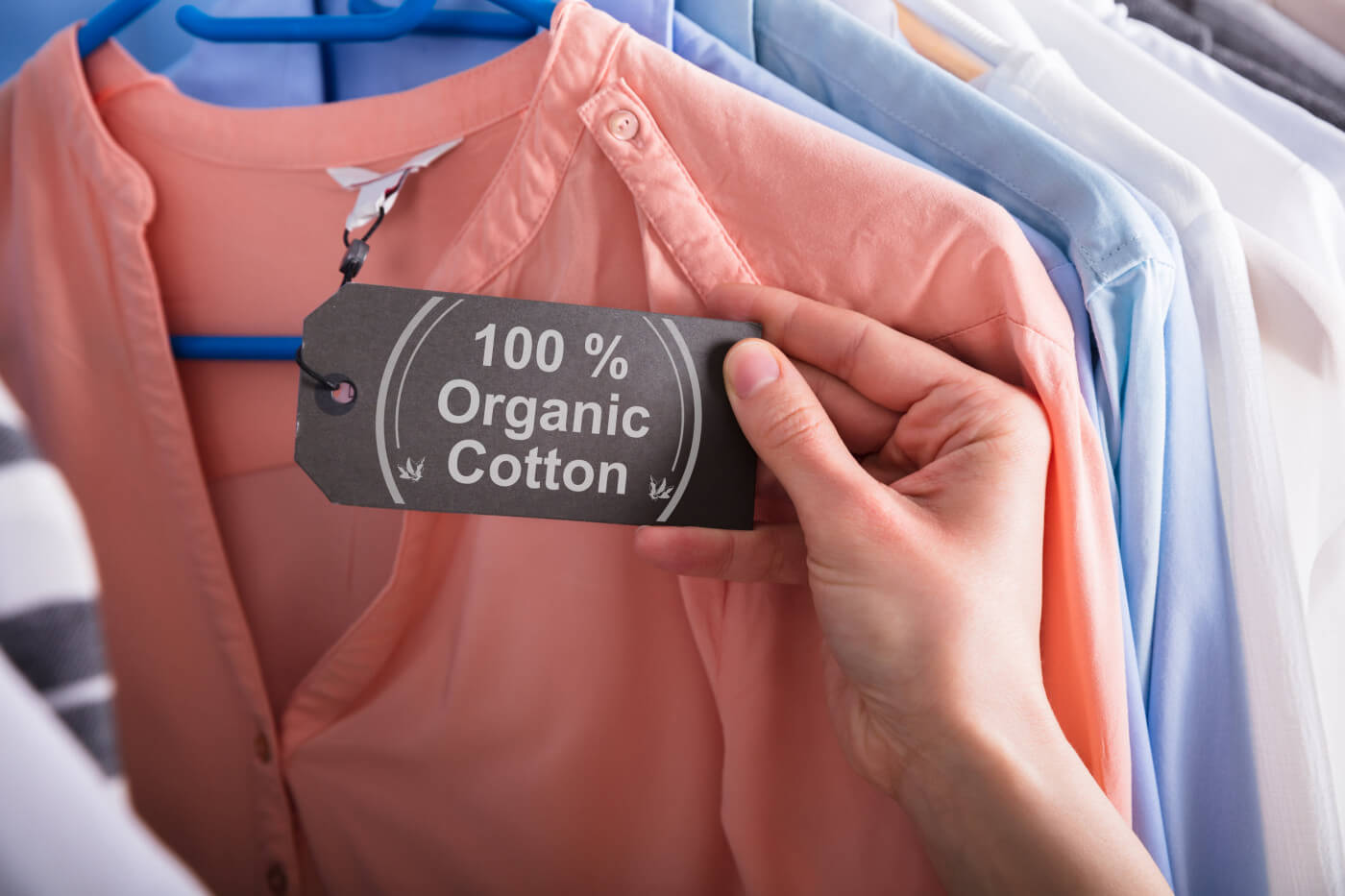
You’ve noticed that most genuinely certified organic clothing brands don’t sell at major retailers. They have their own websites, direct shipping, and no Amazon presence. This isn’t an accident. It’s the business model that makes genuine organic clothing quality possible.
How Retail Economics Work Against Organic Quality
When a clothing brand sells through retail — department stores, sporting goods chains, or Amazon marketplace — a significant portion of the unit price goes to the retailer. Depending on the channel, the retailer margin can range from 40% to 60% of the sale price.
For a brand that has absorbed the cost premium of GOTS-certified organic cotton sourcing, clean processing chemistry, and proper manufacturing standards, that retailer margin creates a problem. To reach the price points that retail requires while maintaining organic material standards, the brand must either:
a) Raise prices to levels that retail buyers won’t accept b) Compromise on material quality to hit retail margin requirements c) Sell direct and retain the margin for organic material costs
The best organic clothing brands choose option c.
A D2C price premium for organic clothing is often the organic material cost. Retail margins would eliminate it — and with it, the quality that justifies the certification.
What the D2C Model Enables for Organic Clothing
Margin Preservation for Material Quality
When men’s organic cotton shirts are sold directly to consumers, the margin that would otherwise go to a retailer stays with the brand. For organic clothing brands, that margin funds the sourcing decisions that make the product worth buying: GOTS-certified cotton from premium growing regions, processing chemistry that meets the full prohibited substances standard, manufacturing facilities that comply with GOTS social criteria.
A comparable shirt sold through a major retailer at the same consumer price would need to cut material costs to fit the retailer’s margin requirement. The organic certification would typically be the first cost to cut.
Supply Chain Transparency Without Retailer Intermediary
When you buy directly from the brand, the supply chain is: farm → processing → manufacturing → you. Each of those stages is independently audited under GOTS certification. There’s no additional party between certification and consumer whose sourcing standards could introduce uncertainty.
Retail channels add distribution partners, warehouse operations, and sometimes co-manufacturing arrangements that can introduce certification gaps. D2C model eliminates those intermediary points.
Relationship and Verification Access
When you buy direct, you can ask the brand for their GOTS license number and have a reasonable expectation of a response. You’re in a direct relationship with the entity that holds the certification. When you buy through a retailer, your relationship is with the retailer — and the retailer may have limited ability to provide certification specifics.
Authentic Customer Data
D2C brands collect performance data directly from their customer base. Reviews on their own platform, direct customer service interactions, and repeat purchase patterns provide feedback loops that improve product quality over time. Retail brands learn what sells, not what performs.
What D2C Doesn’t Mean
D2C is not automatically a quality signal. There are D2C organic clothing brands with loose certifications and misleading claims. The D2C model enables organic quality — it doesn’t guarantee it.
The verification process is the same regardless of channel: find the GOTS license number, check it in the public database, confirm the scope covers the product you’re buying.
What D2C adds to that verification: the ability to ask questions, get direct responses about sourcing specifics, and establish a direct relationship with the brand whose standards you’re relying on.
How to Buy Organic Clothing in a D2C World
Ignore the lack of retail presence as a quality signal. The absence of major retailer distribution is often a feature of organic clothing brands that haven’t compromised on quality. The best men’s organic cotton shirts don’t sell at major athletic retailers because the math doesn’t work for both organic quality and retail margins simultaneously.
Factor in the full cost of purchase including return policy. D2C purchases without the ability to try before buying require a good return and exchange policy. Verify the brand’s policy before ordering, particularly for sizing-sensitive items like training shirts and underwear.
Treat the D2C premium as material quality cost. The price difference between a D2C organic cotton shirt and a retail synthetic shirt represents two things: the organic material cost and the absence of retailer margin. Both are real. The former is what you’re paying for.
Verify before ordering, not after. Use the GOTS database to confirm certification before your first purchase. It’s faster to verify pre-purchase than to return and re-source after delivery.
The D2C model is how the organic clothing market produces its most certified, most transparent products. Understanding the economics helps you evaluate the brands that are doing it right.
About the Author