Sewage cleanup is one of the most critical aspects of maintaining a safe and healthy home environment. When sewage systems fail or overflow, they pose serious health risks due to harmful bacteria, viruses, and toxic chemicals. Understanding the importance of professional sewage cleanup, knowing the right steps to take, and preventing future issues are essential to protect both your family and property.
Understanding the Risks of Sewage Exposure
Sewage is a complex mixture of wastewater from toilets, sinks, showers, and other drains. It contains pathogens, including E. coli, Salmonella, and hepatitis A virus, which can lead to severe illnesses if they come into contact with humans. Direct exposure or even indirect contact through contaminated surfaces can result in gastrointestinal problems, skin infections, and respiratory issues.
Moreover, sewage often carries chemicals and heavy metals, which can be harmful to both humans and pets. Prolonged exposure in the home can compromise indoor air quality and lead to long-term health issues. This makes timely sewage cleanup not just a matter of cleanliness but a critical health necessity.
Immediate Steps After a Sewage Incident
When a sewage backup occurs, swift action is essential. First, ensure the safety of all household members by keeping them away from contaminated areas. Turn off electrical systems in affected areas to prevent electrocution risks. Wearing protective gear such as gloves, boots, and masks is highly recommended for anyone handling contaminated materials.
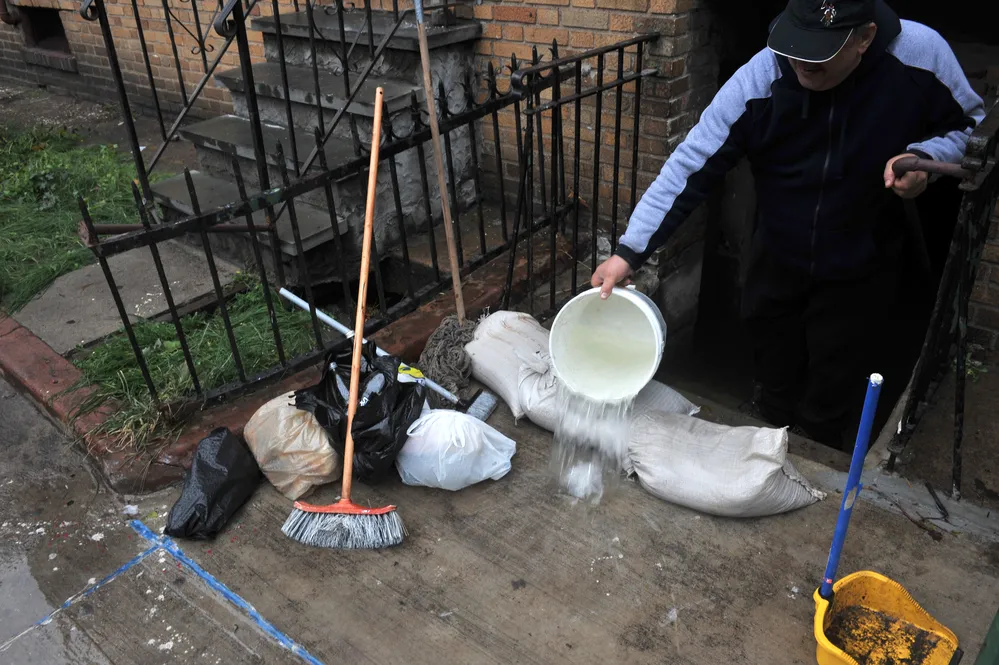
Next, remove standing water using pumps or wet vacuums. Be aware that contaminated water should never be poured into regular drains as this can spread pathogens. Instead, consult local regulations for safe disposal methods. Finally, identify and remove any items that cannot be salvaged, such as soaked carpets, furniture, or insulation materials, to prevent mold growth and further contamination.
The Importance of Professional Sewage Cleanup
While homeowners can handle minor water issues, sewage cleanup is a task that often requires professional expertise. Professionals have specialized equipment and training to handle biohazardous waste safely. They also ensure that contaminated areas are disinfected thoroughly, reducing the risk of lingering pathogens and odors.
Professional sewage cleanup teams also assess structural damage caused by sewage exposure. Wooden floors, drywall, and insulation may be compromised after prolonged contact with contaminated water. Addressing these issues promptly prevents long-term deterioration and additional costs in future repairs.
Thorough Disinfection and Decontamination
Effective sewage cleanup goes beyond removing visible waste. Decontamination involves cleaning all affected surfaces with EPA-approved disinfectants to kill bacteria and viruses. Floors, walls, and furniture must be treated carefully, and porous materials may need to be replaced to ensure complete eradication of pathogens.
Air quality restoration is another crucial step. Sewage incidents often produce harmful gases and unpleasant odors. Professionals use air scrubbers, dehumidifiers, and ventilation systems to remove airborne contaminants and restore a safe indoor environment.
Preventing Sewage Backups in the Future
Prevention is always better than dealing with the aftermath of a sewage incident. Regular maintenance of plumbing systems, including cleaning drains and inspecting pipes, can significantly reduce the risk of backups. Installing backflow prevention valves and sump pumps in vulnerable areas like basements can provide an additional layer of protection.
Homeowners should also avoid flushing inappropriate items, such as wipes, diapers, or grease, which can block sewage lines. Educating family members on what should and should not enter the plumbing system helps maintain a smoothly functioning sewage system and minimizes the likelihood of emergencies.
Recognizing Signs of Sewage Problems
Early detection is vital for preventing severe sewage-related damage. Unusual odors, slow drains, gurgling sounds from pipes, and unexplained water stains are all signs that a sewage problem may exist. Addressing these warning signs promptly can prevent a small issue from turning into a full-blown emergency requiring extensive cleanup.
Health and Environmental Considerations
Sewage cleanup is not just a matter of protecting your home; it also has environmental implications. Contaminated water that seeps into the soil or local waterways can harm plants, animals, and local ecosystems. Proper handling and disposal of sewage waste prevent these negative impacts.
Additionally, professional cleanup minimizes the risk of mold growth, which thrives in damp, contaminated environments. Mold spores can trigger allergic reactions and respiratory problems, making thorough decontamination crucial for long-term health.
Choosing a Reliable Sewage Cleanup Service
Selecting a reputable sewage cleanup service ensures that the job is handled safely and efficiently. Look for companies with certified technicians, proper insurance, and a proven track record in biohazard cleanup. Reliable services provide comprehensive cleanup, including water removal, decontamination, structural drying, and odor control, ensuring that your home returns to a safe and healthy state.
The Cost of Delaying Cleanup
Delaying sewage cleanup can lead to serious consequences, both financially and in terms of health. Extended exposure to contaminated water increases the risk of illness and structural damage, making repairs more expensive. Mold growth, wood rot, and electrical issues are common outcomes of procrastination. Timely intervention reduces overall costs and protects your family from potential health hazards.
Conclusion
Sewage cleanup is an essential part of maintaining a safe and healthy home environment. From understanding the risks and taking immediate action to hiring professional services and implementing preventative measures, every step matters. Prioritizing thorough cleanup and regular maintenance ensures that your home remains a safe space for your family, free from harmful pathogens and structural damage.
By being proactive and knowledgeable about sewage cleanup, homeowners can safeguard their property, protect the health of their loved ones, and prevent long-term environmental damage. Addressing sewage issues promptly and effectively is not just a necessity—it is an investment in the safety, comfort, and value of your home.
About the Author