Phoenix, Arizona, is known for its scorching summers and occasional heavy rains during monsoon season. Extreme weather can put a lot of stress on your home’s plumbing system. Proper preparation is crucial to prevent costly damage and ensure your pipes and fixtures continue to function efficiently. Whether you’re a homeowner or property manager, understanding how to protect your plumbing can save you headaches, time, and money. This guide focuses on key steps to prepare your plumbing for Phoenix’s unique climate challenges.
Understanding the Challenges of Phoenix Weather
Phoenix experiences some of the hottest temperatures in the United States, often exceeding 110°F during summer. Prolonged exposure to high temperatures can affect your plumbing in several ways. Metal pipes may expand and contract, leading to leaks or bursts. Plastic pipes, though more heat-resistant, can still be affected by prolonged UV exposure if they are above ground or exposed to sunlight.
Additionally, while summers are extremely dry, monsoon season brings sudden heavy rainfall. Flash floods and water surges can impact drainage systems and overwhelm outdoor plumbing setups. Therefore, homeowners need to consider both extreme heat and sudden wet conditions when preparing their plumbing.
Inspect Your Pipes Regularly
Regular inspection is one of the most effective ways to prevent plumbing disasters. Check for visible signs of wear, corrosion, or leaks, particularly in older homes. Pay close attention to areas where pipes bend or connect, as these are prone to stress from heat expansion.
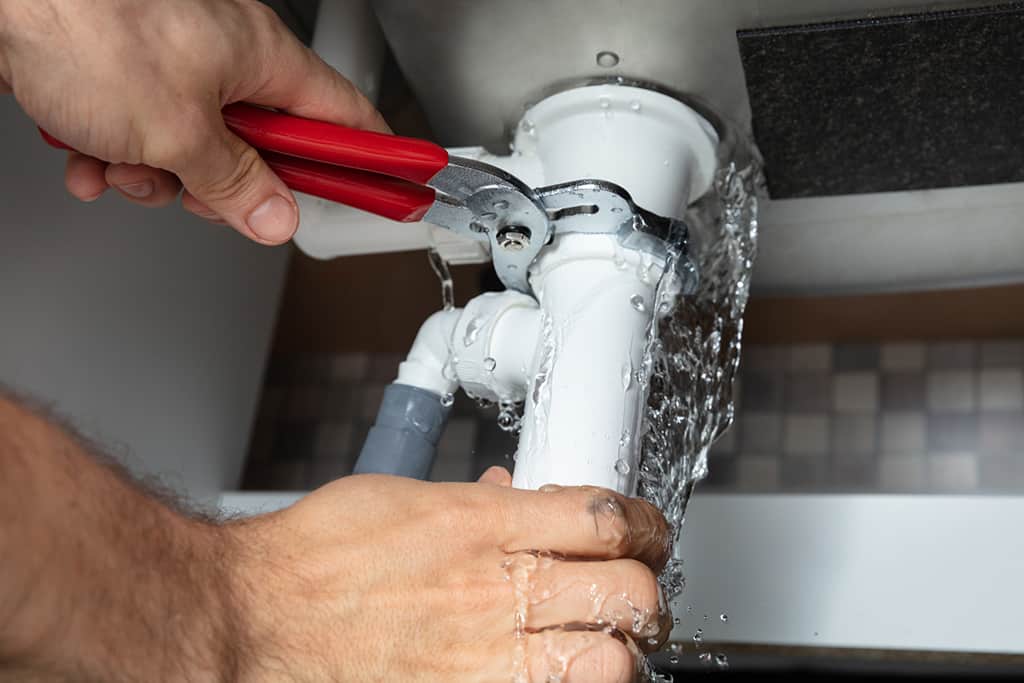
If you notice any dripping faucets, unusual water pressure fluctuations, or discolored water, these could be early warning signs of a problem. Contacting a trusted Phoenix plumbing service to perform a thorough inspection can identify issues before they become serious.
Protect Pipes from Extreme Heat
High temperatures can cause pipes to expand, crack, or even burst. To mitigate this risk, consider insulating exposed pipes. Pipe insulation sleeves or heat-resistant wraps can be purchased from most hardware stores and are easy to install. Focus on pipes located in unconditioned spaces like attics, garages, or crawl spaces.
Additionally, limiting direct sunlight exposure on outdoor pipes can prevent them from overheating. Use shading structures or UV-resistant coverings to protect them. For homeowners with swimming pools or irrigation systems, make sure pipes are rated for high-temperature exposure.
Maintain Water Pressure
Fluctuating water pressure can strain plumbing fixtures and pipes, particularly during the intense heat of Phoenix summers when water demand is high. Installing a pressure regulator ensures your pipes aren’t subjected to sudden pressure spikes that could cause leaks or pipe bursts. Regularly checking the pressure and adjusting the system helps maintain consistent flow and protects your plumbing infrastructure.
Prepare for Monsoon Season
Phoenix’s monsoon season brings heavy rainfall, strong winds, and occasional flash flooding. While your plumbing may handle normal rain, extreme weather can overwhelm drains, gutters, and sewer lines. Ensure that downspouts and drains are clear of debris so water can flow freely. Installing backflow preventers on sewer lines is a smart precaution to avoid wastewater backup into your home during heavy storms.
Additionally, inspect your sump pumps if you have a basement or crawl space. While basements are less common in Phoenix due to high groundwater levels, low-lying areas of your property may still benefit from functional sump pumps to prevent water damage.
Monitor Outdoor Plumbing Systems
Outdoor faucets, irrigation systems, and pool plumbing are all vulnerable to Phoenix’s extreme weather conditions. During peak summer heat, outdoor irrigation lines may dry out or crack if soil shifts. Check all exposed pipes for leaks, corrosion, or signs of wear. Consider using flexible piping that can better withstand the expansion and contraction caused by temperature changes.
For pool systems, ensure pumps and filters are in good working order. Extreme heat can cause water evaporation and increase stress on your filtration system, making regular maintenance even more critical.
Invest in Quality Plumbing Materials
One of the most important steps in preparing your home for Phoenix weather is using high-quality plumbing materials. Copper pipes are durable and heat-resistant, making them ideal for extreme climates. PVC and CPVC pipes are also suitable for hot environments, but ensure they are rated for high temperatures to avoid warping.
Valves, fittings, and fixtures should be corrosion-resistant and designed to handle both hot and cold water fluctuations. When working with a professional Phoenix plumbing service, ask them to recommend materials that will provide long-term durability in desert conditions.
Regular Water Heater Maintenance
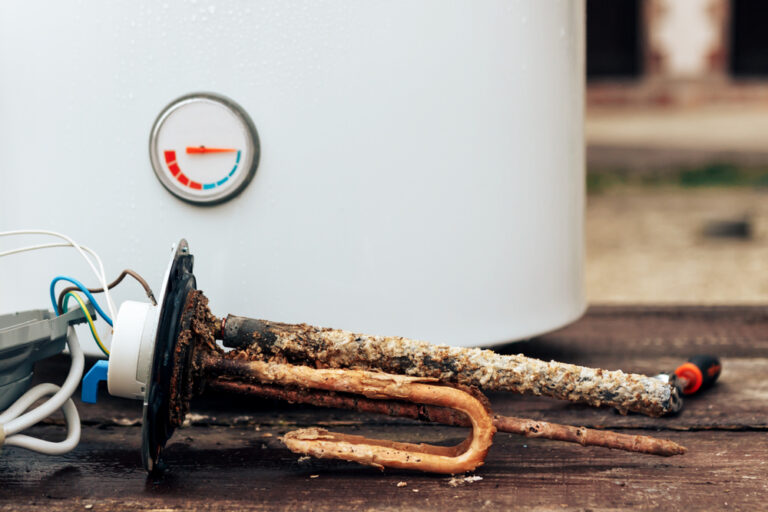
The water heater is one of the most critical components of your home plumbing system. In extreme heat, water heaters can overwork if improperly maintained, leading to leaks or reduced efficiency. Flush your water heater regularly to remove sediment buildup, which can reduce heating efficiency and damage the tank.
Check the pressure relief valve and ensure that the temperature settings are appropriate for your household needs. A professional Phoenix plumbing technician can inspect and maintain your water heater to extend its lifespan and ensure safe operation.
Plan for Emergencies
Despite all preventive measures, extreme weather can still cause unexpected plumbing issues. Have an emergency plan in place, including knowing the location of your main water shut-off valve. Keep a list of trusted Phoenix plumbing professionals you can call for urgent repairs.
Stocking essential supplies like pipe repair clamps, wrenches, and sealants can help you manage minor issues before a professional arrives. Being prepared reduces stress and minimizes damage during sudden plumbing emergencies.
Schedule Annual Plumbing Checkups
Even if your system appears to be in good condition, scheduling an annual plumbing inspection is essential. Professional Phoenix plumbing services can detect hidden problems, test water pressure, inspect pipe integrity, and ensure that your entire system is ready for seasonal extremes. Regular maintenance not only prevents costly repairs but also improves water efficiency and overall home safety.
Conclusion
Phoenix’s extreme weather conditions require careful preparation to protect your plumbing system. By inspecting pipes, insulating and protecting vulnerable areas, maintaining water pressure, and preparing for monsoon season, homeowners can significantly reduce the risk of leaks, bursts, or other plumbing emergencies. Regular maintenance and working with experienced Phoenix plumbing professionals ensures your system remains reliable, efficient, and capable of withstanding the desert heat and sudden storms. Investing time and effort into plumbing preparedness is a small price to pay compared to the potential cost and inconvenience of a major plumbing disaster.
About the Author