Dealing with sewage issues is one of the most unpleasant and hazardous challenges a homeowner can face. Whether caused by a backed-up toilet, a broken sewer line, or heavy flooding, raw sewage contains harmful pathogens that pose serious health risks. While some may consider handling the problem themselves to save money, the risks of DIY sewage clean up far outweigh the potential savings. Professional sewage clean up services provide safe, effective, and thorough remediation that protects both property and health.
Understanding the Hazards of Sewage Exposure
Sewage is not just dirty water—it is a complex mixture of human waste, bacteria, viruses, chemicals, and other contaminants. Exposure to untreated sewage can result in severe health complications, including gastrointestinal infections, respiratory problems, skin irritation, and even long-term illnesses caused by pathogens such as E. coli, hepatitis A, and Salmonella. DIY attempts often underestimate the risks, leaving individuals exposed to these dangers without proper protection.
Furthermore, sewage can damage property structures if not treated promptly. Water and waste can seep into floors, walls, and furniture, leading to rot, mold growth, and structural weakening. The longer contaminated materials remain, the more extensive—and expensive—the damage becomes.
Limitations of DIY Sewage Clean Up
Many homeowners attempt DIY sewage clean up thinking that cleaning products, gloves, and masks are enough. However, this approach has significant limitations.
Firstly, most household cleaning agents cannot eliminate all harmful bacteria and viruses found in raw sewage. Bleach or disinfectants may remove surface stains, but they do not guarantee complete decontamination of porous materials like carpets, wooden floors, or drywall.
Secondly, without specialized equipment such as industrial-grade pumps, dehumidifiers, and HEPA air scrubbers, removing all traces of sewage and preventing secondary damage is nearly impossible. DIY cleanup often results in lingering odors, hidden mold growth, and incomplete disinfection, which can lead to recurring problems.
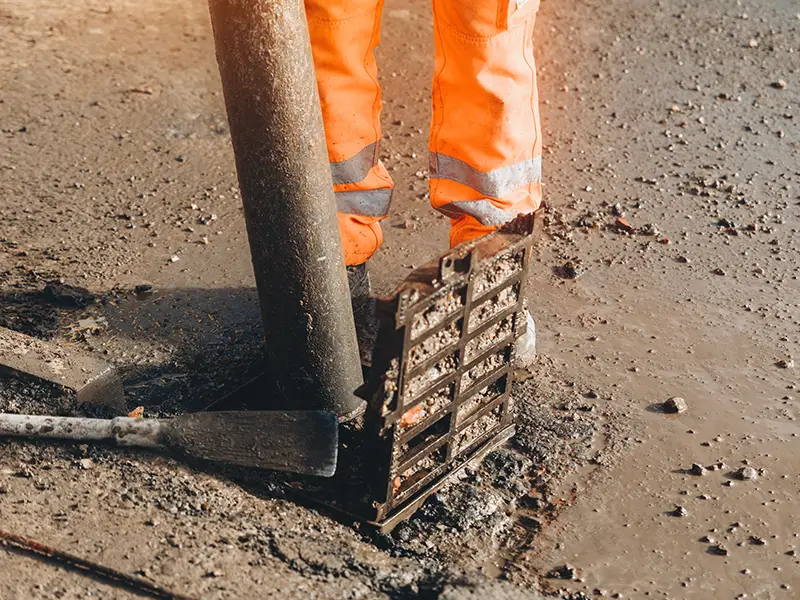
Lastly, many homeowners are unaware of proper sewage disposal regulations. Disposing of contaminated water into storm drains or the environment can violate local laws and create environmental hazards. Professional services are trained to handle these regulations, ensuring sewage is removed safely and legally.
The Importance of Professional Sewage Clean Up Services
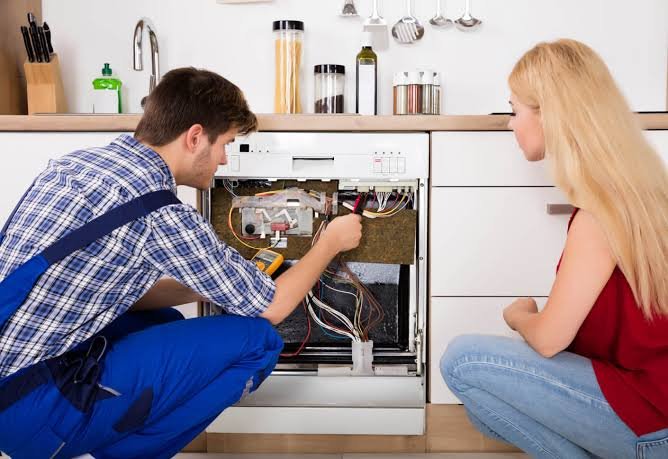
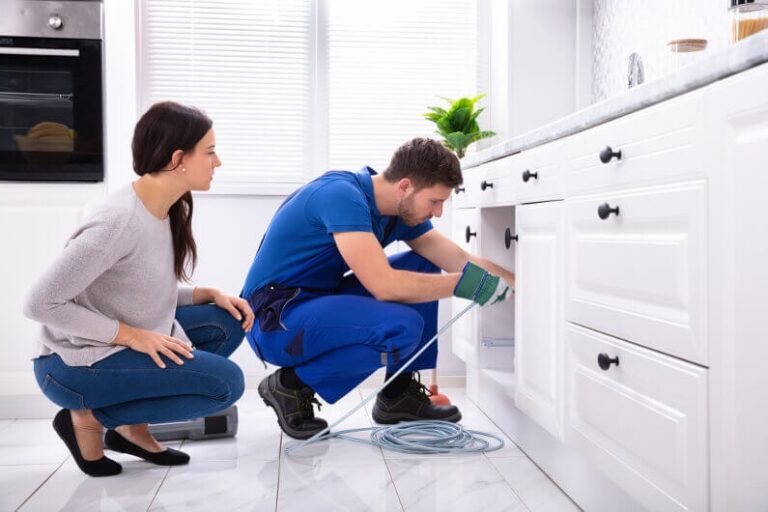
Hiring a professional sewage clean up service offers significant advantages. Experts are trained to assess the severity of contamination, identify hidden hazards, and implement an effective remediation plan. They use advanced equipment and techniques that ensure thorough cleaning, disinfection, and deodorization of affected areas.
Professionals also have access to industrial-grade protective gear, including respirators, suits, and gloves, minimizing the risk of infection during the cleanup process. Their training includes knowledge of pathogen behavior, contamination pathways, and safe handling procedures that homeowners typically lack.
Additionally, a reputable sewage clean up service often offers preventive advice to reduce the likelihood of future incidents. This includes guidance on proper plumbing maintenance, drainage solutions, and moisture control methods that can protect your property over the long term.
Health Risks and Safety Considerations
Attempting to clean sewage yourself exposes you and your family to dangerous pathogens. Direct contact with sewage can cause skin rashes, eye infections, and severe gastrointestinal issues. Inhalation of contaminated air or mold spores can lead to respiratory problems such as asthma flare-ups or chronic bronchitis.
Children, elderly individuals, and those with compromised immune systems are particularly vulnerable to these health hazards. Professional services mitigate these risks by using containment methods and proper ventilation to prevent cross-contamination.
Financial Implications of DIY vs. Professional Cleanup
While the initial cost of professional sewage clean up service may seem high, the long-term financial impact of DIY attempts can be far greater. Incomplete cleaning can result in persistent odors, mold remediation costs, and structural repairs that quickly surpass the expense of hiring experts.
Insurance companies often require documentation that sewage damage was professionally remediated. A DIY approach may jeopardize claims, leaving homeowners responsible for significant repair costs out-of-pocket.
Investing in professional services ensures that the cleanup is done right the first time, reducing the likelihood of recurring damage and protecting property value.
Time and Efficiency Factors
Sewage cleanup is a time-sensitive task. Delaying proper remediation allows contaminants to spread and increases the risk of structural damage. Professional services work quickly and efficiently, using industrial-grade equipment to extract water, dry affected areas, and disinfect surfaces.
DIY cleanup is often slower and less effective, particularly if homeowners lack experience. Attempting to remove sewage manually can extend exposure time and allow secondary issues, like mold growth, to develop. Professional services complete the process faster and with higher accuracy, minimizing both health risks and property damage.
Environmental and Legal Considerations
Improper disposal of sewage can have legal and environmental consequences. Pouring contaminated water down storm drains or into natural bodies of water can harm ecosystems, violate local regulations, and result in fines. Professional services are well-versed in environmental safety practices and legal compliance, ensuring that waste is disposed of responsibly.
By hiring a sewage clean up service, homeowners avoid potential legal repercussions and contribute to the safe management of hazardous waste, protecting both their property and the surrounding community.
Signs You Need Professional Assistance
Some situations clearly require professional intervention. These include:
- Sewage flooding larger than a few inches
- Contamination of multiple rooms or floors
- Exposure to black water from sewers or septic systems
- Lingering odors that DIY methods cannot eliminate
- Visible mold growth or structural damage
Recognizing these signs early allows homeowners to act quickly, preventing health risks and minimizing repair costs.
Conclusion
DIY sewage clean up may seem like a cost-saving option, but it comes with significant risks to health, property, and finances. Exposure to harmful pathogens, incomplete cleaning, improper disposal, and potential legal issues make professional intervention the safest and most effective choice.
A reputable sewage clean up service provides trained personnel, industrial-grade equipment, and thorough remediation strategies that protect both homeowners and their property. From health safety to long-term property preservation, the advantages of professional assistance far outweigh the perceived savings of a DIY approach.
Investing in professional services ensures peace of mind, a cleaner and safer environment, and compliance with health and environmental regulations. When it comes to dealing with raw sewage, professional expertise is not just a convenience—it’s an essential safeguard.
Hiring a professional sewage clean up service may cost a bit more upfront, but it is an investment in safety, efficiency, and long-term property protection. Handling sewage yourself is a gamble with severe consequences that are often far more expensive than professional intervention.
About the Author