Children’s educational content runs on music. Songs teach phonics, numbers, colors, concepts, and routines. An app, a YouTube channel, or a classroom curriculum needs dozens of original tracks — each short, each specific, each age-appropriate. That’s a volume of production that traditional methods can’t meet at educational content budgets.
The alternative is AI generation, applied with an understanding of what makes children’s music work.
What Does Children’s Music Require?
Children’s music isn’t just simpler music. It has specific requirements that distinguish it from other genres.
Vocal clarity above everything. Young listeners need to hear the words clearly. Lyrics carry the educational content. A vocal mix that buries lyrics in instrumentation fails the primary purpose.
Age-appropriate energy. Music for toddlers differs from music for eight-year-olds. Simpler rhythms, slower tempos, and brighter tonal character work for early childhood. Older children can handle more complex rhythmic patterns and broader emotional range.
Repetition with variation. Repetition aids memorization — that’s the point. But pure repetition without variation loses listener attention. Children’s songs that work balance recurring hooks with enough variation to maintain engagement across multiple listens.
Where Does an AI Song Generator Fit the Production Need?
The right place depends on your specific context. An ai song generator that supports vocal generation lets creators produce original children’s tracks without sourcing child vocal talent. Child-appropriate vocal tones are achievable through voice model selection and parameter adjustment.
Volume production becomes practical. An educational app that needs 50 original songs for a curriculum launch can’t produce those through traditional session recording. AI generation compresses the production timeline from months to days.
Licensing for Educational Distribution
Children’s educational content distributes across restrictive platforms. YouTube Kids, classroom platforms, educational app stores, and library systems all have specific content and rights requirements.
ai vocal generator output with royalty-free terms satisfies those requirements. There’s no per-platform licensing negotiation. The music you generate serves your content across all distribution channels without additional clearance.
What Are the Production Guidelines for Children’s Music?
Keep the instrumentation simple. Piano, acoustic guitar, simple percussion — instruments that are warm and bright rather than dense or dark. The arrangement should support the vocal, not compete with it.
Write lyrics before generating. The lyrics carry the educational purpose. Write the full lyric and melody before generating the instrumental backing. The backing should serve the lyric, not the other way around.
Generate short tracks. Children’s attention spans are short. Three minutes is long for young children’s content. Two minutes or under keeps engagement through the full track. Generate at appropriate lengths rather than cutting longer generations down.
Test with the actual audience. An adult evaluating children’s music hears it differently than a child does. If your content serves a specific age group, test generated tracks with children in that group before finalizing.
How Do You Build a Children’s Music Library?
Educational content creators who build large original music libraries have a sustainable content advantage. Original music owned outright can be used indefinitely, repurposed across platforms, and extended as the content library grows.
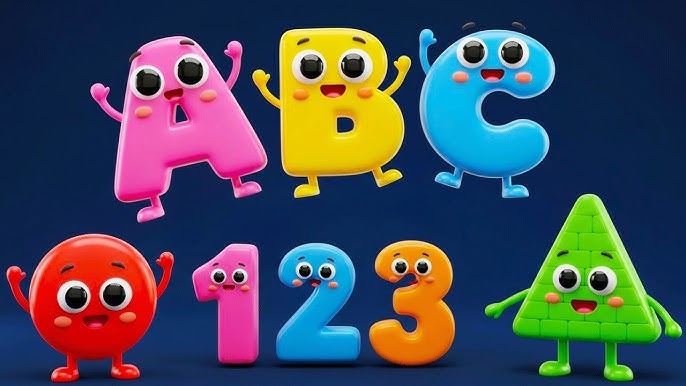
Generate in thematic batches: alphabet songs, counting songs, emotional vocabulary songs, transition songs for classroom routines. Each batch has consistent parameters. Each batch builds the library systematically.
Frequently Asked Questions
How to make kids songs using AI?
Write the lyrics first, then generate instrumental backing designed specifically for children—simple, bright instrumentation that supports vocal clarity. Keep tracks short (under 2 minutes) with repetition balanced by variation. Test generated songs with actual children before finalizing, as adult perception of children’s music differs significantly.
Is it legal to use AI to make songs?
Yes. Creating and releasing AI-generated children’s music is legal, especially with royalty-free licensing terms. Educational platforms like YouTube Kids, classroom systems, and app stores all accept AI-generated content created with clear commercial rights and no per-platform licensing requirements.
Can people tell if a song is AI-generated?
Some listeners may notice AI characteristics, but children’s music generated specifically for your educational content with tailored parameters sounds purposeful, not generic. Quality lies in composition for the specific learning goal—alphabet teaching, counting practice, emotional vocabulary—not in hiding the generation method.
How to create a song with music using AI?
Define your educational goal and age group, write complete lyrics, generate with parameters matching age-appropriate simplicity (slower tempos, simpler rhythms for younger children). Build songs in thematic batches by topic so your library grows systematically. Generate in short formats (under 2 minutes) that suit children’s attention spans.
What Is the Content Creator Advantage?
Children’s educational content that runs on original music doesn’t face platform restrictions or rights complications. AI generation makes that original music library accessible to independent creators and small educational publishers who couldn’t previously afford volume production. The content you generate is yours — and that ownership compounds as the library grows.
About the Author