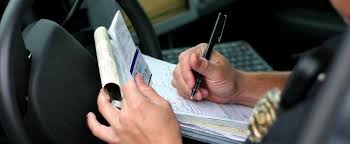
Careless driving that leads to bodily harm or death is one of the most serious traffic-related offences under the Ontario legal system. While many people think of traffic tickets as minor infractions, a careless driving causing bodily harm or death charge can dramatically affect your life, your licence, your insurance, and even your freedom if not addressed properly. This article explains what these charges entail, the potential consequences you may face, and how professionals at https://www.trafficparalegalservices.com/careless-driving/careless-driving-causing-bodily-harm-or-death/ can support you in navigating these serious legal challenges.
What Is Careless Driving Causing Bodily Harm or Death
At its core, careless driving refers to operating a vehicle without due care and attention or without reasonable consideration for others using the road. When that lack of care results in serious injury (bodily harm) or the tragic loss of life (death), the offence becomes substantially more serious legally. In Ontario, this charge falls under Section 130(3) of the Highway Traffic Act, which specifically addresses situations where a careless driving incident results in significant physical harm or fatal consequences.
One key aspect of this offence is that intent is not required for a conviction. In other words, a driver may be charged even if they didn’t intend to harm anyone; what matters is that their driving fell below the standard of care expected of a reasonable driver and that this caused serious consequences.
How Careless Driving Differs from Other Traffic Offences
Not all traffic offences are created equal. Simple careless driving charges (without injury) are serious, but when bodily harm or death is involved, the stakes dramatically increase. The main differences include:
- Severity of penalties, which are much harsher when an accident causes bodily harm or death.
- Potential for significant licence suspensions that can last several years.
- Long-term impacts on your driving record and insurance that extend far beyond the immediate court penalties.
In these cases, it is vital to treat the charge with the seriousness it deserves.
Penalties and Legal Consequences You Might Face
Careless driving causing bodily harm or death carries some of the stiffest penalties under the Highway Traffic Act. Though fines and penalties vary depending on specific case facts, common legal consequences include:
- Fines that can reach up to $50,000.
- Driver’s licence suspensions of up to five years.
- Imprisonment for terms up to two years.
- Demerit points added to your driving record (usually six points).
Beyond these direct legal penalties, there are indirect yet significant consequences. Insurance premiums often skyrocket for years after a conviction, and in some cases your policy may even be cancelled. If your job involves driving or professional licences tied to safe driving, a conviction could jeopardize your employment or future opportunities.
The Impact on Your Driving Record and Life
The long-term effects of a careless driving causing bodily harm or death conviction reach far beyond the courtroom:
- Insurance providers view the conviction as high-risk, leading to substantial premium increases that can last five to ten years.
- Employment challenges can arise if your job requires a clean driving record or professional certification.
- Cross-border travel restrictions may be imposed, as serious driving convictions can affect eligibility to enter countries such as the United States.
These effects underscore the importance of addressing such charges proactively rather than waiting.
Steps to Take After Being Charged
If you receive a ticket for careless driving causing bodily harm or death, it’s crucial to act promptly and with a clear strategy. Some helpful steps include:
- Review the details of the charge carefully and understand precisely what you are being accused of.
- Gather all available evidence, including dashcam footage, witness statements, photos of the scene, and any other information that might clarify what happened.
- Seek professional legal advice immediately to explore possible defences and strategies for reducing or contesting the charge.
- Challenge any procedural issues — such as errors in how the ticket was issued — that may weaken the prosecution’s case.
- Document mitigating factors, like attempts to avoid the collision or other evidence that demonstrates responsible behaviour.
Early action can make a significant difference in how your case unfolds.
Why Professional Support Matters
Facing a careless driving causing bodily harm or death charge without legal support can be overwhelming. Legal professionals and experienced paralegals bring critical benefits:
- Comprehensive case evaluation to identify weaknesses in the evidence.
- Skilled representation in court proceedings to advocate on your behalf.
- Strategic defence planning that may reduce penalties, achieve alternative outcomes, or potentially lead to dismissal.
With someone experienced by your side, you are better positioned to protect your rights and future.
Practical Tips to Avoid Careless Driving Charges
The best defence starts with prevention. Reducing your risk of being charged with careless driving requires constant attention and safe driving habits:
- Minimize distractions like phone use, eating, or adjusting vehicle controls while driving.
- Obey all posted speed limits and adjust for adverse weather or road conditions.
- Maintain a safe following distance, allowing adequate time to react.
- Be especially vigilant near intersections and pedestrian areas to avoid collisions.
- Keep your vehicle well-maintained so that mechanical issues don’t contribute to unsafe driving.
These habits not only keep roads safer, but also reduce the likelihood of being involved in incidents that lead to serious charges.
Final Thoughts
Careless driving that causes bodily harm or death is among the most serious traffic-related offences under Ontario’s Highway Traffic Act. Due to the potential for severe legal, financial, and personal consequences, it is essential to understand the nature of this charge and to seek appropriate help if you are facing it. Whether you need guidance on how to fight the charge or professional representation in court, addressing the situation with urgency and expertise can make a real difference in your case’s outcome.
About the Author