Flooding is one of the most common natural disasters that homeowners face, and understanding the flooding risks for homes is essential for protecting both property and finances. Floods can strike unexpectedly, causing extensive damage that may affect the structure of your home, personal belongings, and even the safety of your family. With climate change and extreme weather events becoming more frequent, it is increasingly important to be aware of potential flooding threats and to have a solid plan in place to mitigate their impact.
Understanding Flooding Risks for Homes
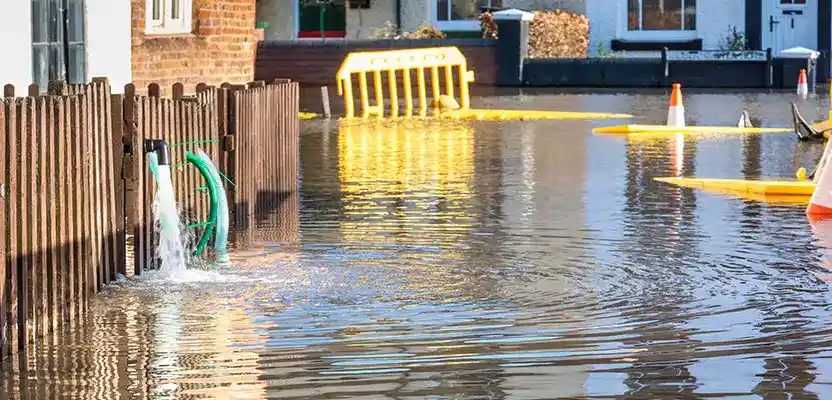
Flooding risks for homes vary depending on location, topography, and the design of the property. Homes in low-lying areas or near rivers, lakes, and coastal regions are particularly vulnerable to flooding. Additionally, urban areas with poor drainage systems or a high density of impervious surfaces can experience flash floods during heavy rainfall. Even homes situated on higher ground are not completely safe, as extreme weather events can overwhelm drainage systems and create unexpected flood scenarios.
Common causes of flooding include heavy rainfall, storm surges, river overflow, and blocked drainage systems. Seasonal changes, such as spring flooding threats, can also significantly increase the likelihood of water entering basements and ground-level floors. Recognizing these risks is the first step in preparing your home for potential flooding events.
The Financial Impact of Flood Damage
Flooding can be financially devastating for homeowners. Water damage to a home can affect walls, flooring, electrical systems, and appliances, often requiring expensive repairs. Homeowners may also lose valuable personal belongings such as furniture, electronics, and sentimental items. Beyond physical damage, flooding can disrupt daily life, forcing temporary relocation and creating additional costs for lodging and living expenses.
Because of the high cost of repairs and replacement, homeowners should consider how to protect themselves financially. Understanding the flooding risks for homes highlights the importance of securing appropriate insurance coverage to manage potential losses.
How Insurance Can Protect Your Home
Homeowners insurance policies typically cover damage caused by events like fire or theft, but many standard policies do not include coverage for flooding. Given the specific nature of flood risks, it is essential to consider a separate flood insurance policy. This specialized insurance is designed to cover the cost of repairs and replacement of damaged property resulting from flooding events.
Flood insurance can provide financial assistance for structural damage to the home, including the foundation, walls, electrical systems, plumbing, and HVAC systems. It may also cover personal property that is damaged or destroyed by floodwaters, such as furniture, clothing, and electronics. By having adequate coverage, homeowners can reduce the financial burden associated with flood damage and recover more quickly after a disaster.
Assessing Your Flood Risk
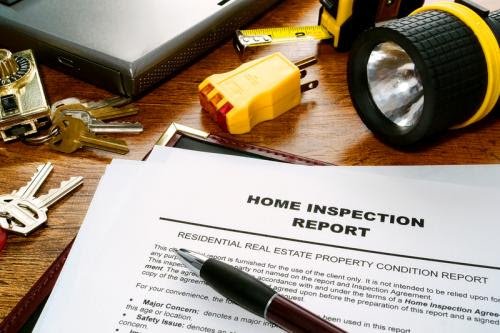
Before purchasing flood insurance, homeowners should assess the specific flooding risks for homes in their area. Tools like flood maps provided by government agencies can help identify properties in high-risk flood zones. Factors to consider include proximity to bodies of water, local rainfall patterns, drainage infrastructure, and the history of flooding in the region.
It is also important to evaluate the design and location of the home itself. Basements are particularly vulnerable to flooding, so understanding why basements flood in certain conditions can guide preventive measures. Homeowners can invest in measures such as sump pumps, water-resistant materials, and proper landscaping to reduce the likelihood of flood damage.
Choosing the Right Flood Insurance
When selecting flood insurance, it is crucial to understand the policy details. Coverage limits, deductibles, and exclusions vary between providers, so reading the fine print is essential. Homeowners should ensure that both the structure of the home and personal belongings are adequately covered. Some policies may also provide additional living expenses if the home becomes uninhabitable due to flooding.
In addition to traditional insurance, some homeowners may consider supplemental policies that offer extended coverage for high-value items or specialized flood-related risks. Consulting with an insurance agent familiar with flooding risks for homes can help identify the most suitable coverage options.
Preventive Measures to Reduce Flood Damage
While insurance is an essential safety net, proactive steps can further minimize the impact of flooding. Homeowners can install barriers such as flood gates, reinforce doors and windows, and elevate electrical systems and appliances above potential flood levels. Proper landscaping can help redirect water away from the home, while regular maintenance of gutters, drains, and sump pumps ensures that water can flow freely during heavy rains.
Understanding common flood risks and implementing preventive measures not only protects property but can also influence insurance premiums. Insurers often provide lower rates for homes that have taken proactive steps to mitigate flood damage, rewarding homeowners for their diligence.
Responding to Flood Events
In the event of a flood, safety should be the top priority. Evacuate immediately if authorities issue warnings and avoid contact with floodwaters, which may contain harmful debris or contaminants. After the flood, document the damage thoroughly with photographs and written records. Contact your insurance provider as soon as possible to begin the claims process.
Insurance can help cover the cost of repairs, temporary housing, and replacement of damaged items, but timely action and proper documentation are critical to a smooth recovery. By understanding flooding risks for homes and being prepared with appropriate coverage, homeowners can navigate the aftermath of a flood more confidently.
Conclusion
Flooding risks for homes are real and increasingly prevalent. From basement flooding disasters to spring flooding threats, homeowners face a variety of scenarios that can cause significant damage and financial loss. Insurance plays a crucial role in mitigating these risks, offering protection for both the structure of the home and personal belongings.
By assessing flood risk, choosing the right insurance policy, and implementing preventive measures, homeowners can safeguard their property and reduce the impact of flooding events. Preparing ahead of time ensures that when disaster strikes, recovery is faster, smoother, and less financially burdensome. Awareness, preparation, and coverage are the keys to managing flooding risks for homes effectively.
About the Author