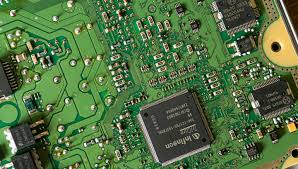
Modern vehicles rely heavily on electronic systems to ensure optimal performance, fuel efficiency, and safety. At the heart of this technological advancement lies the Auto ECU IC, a crucial component that governs almost every aspect of a vehicle’s operation. Understanding the science behind the Auto ECU IC provides insight into how vehicles achieve better performance, lower emissions, and enhanced driver experience.
What is an Auto ECU IC
The Auto ECU IC, or Engine Control Unit Integrated Circuit, is essentially the brain of a vehicle’s engine management system. It is a microcontroller-based system designed to receive, process, and respond to input signals from various sensors installed throughout the vehicle. These sensors monitor engine parameters such as air intake, fuel mixture, exhaust gases, temperature, and throttle position. The Auto ECU IC then calculates the optimal operational parameters and sends commands to actuators like fuel injectors, ignition coils, and throttle bodies to adjust engine performance in real time.
Unlike older mechanical systems, which relied on fixed configurations and manual adjustments, the Auto ECU IC allows dynamic control over engine operations. This not only improves efficiency but also adapts the engine’s behavior under different driving conditions, such as city traffic, highway cruising, or heavy loads.
How Auto ECU IC Works
At its core, the Auto ECU IC functions through a complex interaction of sensors, processors, and actuators. The process begins with sensors collecting data, such as oxygen levels in exhaust gases, engine temperature, and air pressure. These signals are converted into electrical signals that the Auto ECU IC can interpret.
Once the data reaches the Auto ECU IC, it processes the information using pre-programmed algorithms. These algorithms consider multiple parameters simultaneously, such as fuel injection timing, ignition timing, and turbocharger boost pressure. The Auto ECU IC then sends precise instructions to the actuators, ensuring that the engine operates at peak efficiency while minimizing harmful emissions.
Additionally, the Auto ECU IC constantly monitors feedback from the actuators and sensors, allowing it to make continuous adjustments. This feedback loop is vital for maintaining optimal performance, especially under changing environmental conditions or during high-demand driving situations.
Types of Auto ECU IC Systems
There are several types of Auto ECU IC systems designed to handle different aspects of vehicle performance. Engine control ECUs focus on managing fuel injection and ignition timing, while transmission ECUs optimize gear shifts in automatic transmissions. Advanced vehicles may also feature specialized ECUs for systems like anti-lock braking, traction control, and hybrid power management.
Some modern Auto ECU ICs are built using multi-core processors and enhanced memory capabilities, enabling them to manage complex tasks like adaptive cruise control, emission compliance, and predictive maintenance. The evolution from simple single-core systems to sophisticated multi-core ICs has significantly expanded the scope and capabilities of vehicle electronics.
Impact of Auto ECU IC on Vehicle Performance
The integration of Auto ECU IC in modern vehicles has had a transformative impact on performance. One of the most significant benefits is improved fuel efficiency. By precisely controlling the air-fuel mixture and ignition timing, the Auto ECU IC ensures that the engine consumes only the necessary amount of fuel, reducing wastage and lowering operational costs.
Power delivery is another area where the Auto ECU IC plays a crucial role. It optimizes torque output by adjusting engine parameters based on load and driving conditions. This results in smoother acceleration, better throttle response, and enhanced overall driving dynamics.
Emissions control is closely tied to vehicle performance, and the Auto ECU IC ensures compliance with stringent environmental standards. By continuously monitoring exhaust gases and adjusting combustion parameters, it reduces harmful pollutants such as carbon monoxide, hydrocarbons, and nitrogen oxides. This not only benefits the environment but also ensures the vehicle meets legal emission requirements.
Moreover, the Auto ECU IC enhances engine longevity. By preventing excessive stress on engine components through controlled operation, it minimizes wear and tear, reducing the likelihood of costly repairs. Advanced diagnostic features embedded in the Auto ECU IC can also detect potential issues before they become serious, enabling proactive maintenance.
Advancements in Auto ECU IC Technology
Auto ECU IC technology continues to evolve at a rapid pace. Recent advancements include the incorporation of artificial intelligence and machine learning algorithms, allowing the ECU to learn driving patterns and optimize performance accordingly. Predictive maintenance systems powered by Auto ECU IC can analyze sensor data to anticipate failures, alerting drivers before issues escalate.
Connectivity has also become a major focus. Modern Auto ECU ICs are often linked to telematics and infotainment systems, providing real-time performance data and remote diagnostics. This connectivity enables over-the-air updates, ensuring that vehicles can receive software improvements without visiting a service center.
Additionally, the rise of electric and hybrid vehicles has driven the development of specialized Auto ECU ICs that manage battery usage, regenerative braking, and energy distribution between electric motors and internal combustion engines. This integration is critical for maximizing efficiency and range in electrified vehicles.
Challenges and Considerations
Despite its many advantages, the Auto ECU IC introduces certain challenges. The complexity of modern systems makes troubleshooting more difficult, requiring specialized diagnostic tools and technical expertise. Cybersecurity is another concern, as connected ECUs can potentially be targeted by hackers. Manufacturers must implement robust security measures to protect vehicle systems from unauthorized access.
Compatibility and standardization are also key considerations. Different vehicle manufacturers use various ECU designs, making it essential for aftermarket components or tuning devices to be compatible with specific Auto ECU IC architectures. Improper modifications can lead to performance issues or void warranties.
Future of Auto ECU IC in Vehicles
The future of Auto ECU IC technology is closely linked to the development of autonomous and highly connected vehicles. Next-generation ECUs are expected to manage not just engine performance but entire vehicle ecosystems, coordinating multiple subsystems including safety, navigation, and infotainment.
Integration with vehicle-to-vehicle (V2V) and vehicle-to-infrastructure (V2I) communication systems will allow Auto ECU ICs to anticipate traffic conditions, optimize route planning, and enhance overall energy efficiency. The continued miniaturization of semiconductor technology will also allow more powerful ECUs to be embedded in smaller, more cost-effective packages.
Conclusion
The Auto ECU IC is undeniably one of the most transformative components in modern automotive technology. By providing precise control over engine operations, enhancing fuel efficiency, reducing emissions, and improving overall vehicle performance, it has redefined what is possible in automotive engineering. As technology continues to advance, the role of the Auto ECU IC will expand even further, shaping the future of smarter, safer, and more efficient vehicles. Understanding the science behind this critical component is essential for automotive professionals, enthusiasts, and everyday drivers who wish to maximize the potential of their vehicles.
The Auto ECU IC is not just an electronic chip—it is the brain that orchestrates the intricate symphony of modern automotive performance, ensuring that every journey is smoother, cleaner, and more efficient.
About the Author