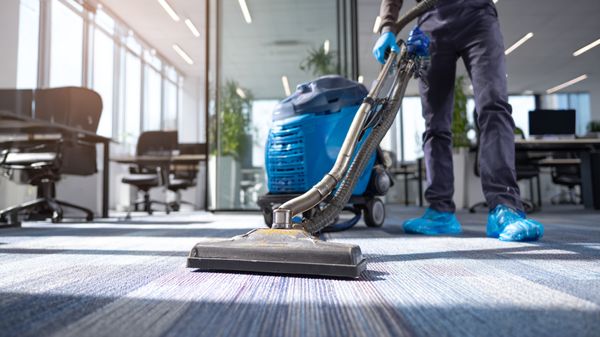
Dealing with a sewer backup is one of the most unpleasant and stressful situations a homeowner can face. The sight, smell, and potential health hazards make it an urgent problem that requires immediate attention. However, many people make critical mistakes when attempting cleaning a sewer backup, which can exacerbate the damage, increase health risks, and lead to costly repairs. Understanding these common errors can help homeowners handle such situations more safely and effectively.
Underestimating the Health Risks
One of the most dangerous mistakes people make is underestimating the health risks associated with sewer backups. Sewage contains harmful bacteria, viruses, and parasites that can cause serious illnesses. Contact with raw sewage can lead to infections, skin rashes, gastrointestinal issues, and respiratory problems. When cleaning a sewer backup, it is essential to wear proper personal protective equipment, including gloves, masks, boots, and protective clothing. Ignoring these precautions can put you and your family at significant risk.
Attempting to Clean Without Proper Training
Many homeowners assume that cleaning a sewer backup is similar to regular cleaning tasks. This is a critical error. Cleaning a sewer backup requires specific knowledge about how to safely remove contaminated water, disinfect surfaces, and prevent the spread of pathogens. Professionals trained in sewage cleanup follow strict protocols to minimize health risks and prevent further property damage. Attempting this task without training often leads to incomplete cleaning, lingering odors, and potential contamination of unaffected areas.
Using Inadequate Cleaning Supplies
Another common mistake in cleaning a sewer backup is relying on standard household cleaning products. Ordinary detergents and disinfectants are often insufficient to kill the bacteria and viruses present in sewage. Specialized disinfectants that are designed for biohazard cleanup are necessary to ensure thorough sanitation. Additionally, tools like mops, brushes, and buckets can become contaminated during the cleaning process. Using disposable or easily sanitized equipment is critical to prevent cross-contamination.
Ignoring the Source of the Backup
Cleaning the visible sewage without addressing the source of the problem is a mistake many homeowners make. Sewer backups can result from clogged pipes, tree root intrusion, damaged sewer lines, or issues with municipal sewer systems. Cleaning the affected area without identifying and fixing the source will likely lead to repeated backups. Professionals who handle cleaning a sewer backup also inspect the plumbing system to identify the root cause, ensuring the problem does not recur.
Neglecting Proper Ventilation
Sewage produces strong, unpleasant odors and releases potentially harmful gases like methane and hydrogen sulfide. Failing to ventilate the affected area properly during cleanup can expose occupants to these dangerous fumes. Proper ventilation, along with protective equipment, reduces the risk of respiratory irritation or poisoning. Open windows, use of exhaust fans, and containment of the contaminated area are crucial steps in a safe cleanup process.
Skipping the Drying Process
Water from sewer backups can soak into flooring, walls, and furniture. Simply removing the standing water is not enough. Skipping the drying process can lead to mold growth, wood warping, and further structural damage. Dehumidifiers, industrial fans, and moisture meters are often necessary to ensure that the affected area is completely dry. Failing to dry the area thoroughly can result in long-term damage and increased repair costs.
Improper Disposal of Contaminated Materials
Another frequent error in cleaning a sewer backup is improper disposal of contaminated materials. Items like carpets, furniture, and insulation that have absorbed sewage should often be discarded. Trying to clean and reuse severely contaminated materials can spread pathogens and odors. Additionally, sewage should be disposed of according to local regulations. Improper disposal not only poses health risks but can also lead to legal consequences.
Rushing the Cleanup Process
In the stress of dealing with a sewer backup, many homeowners rush the cleanup process, trying to remove water and sanitize surfaces quickly. Rushing often leads to incomplete cleaning, missed contamination spots, and lingering odors. Effective cleaning a sewer backup requires a systematic approach, including containment, removal of sewage, disinfection, drying, and inspection. Taking the necessary time ensures that the area is fully restored and safe for use.
Failing to Document Damage for Insurance
While not directly related to the cleaning process, failing to document the damage before cleanup is a common mistake. Photos, videos, and written records are essential for insurance claims related to sewer backups. Without proper documentation, homeowners may face difficulties in receiving reimbursement for repairs and restoration services. Professionals who clean a sewer backup often assist in documenting the damage for insurance purposes.
Overlooking Electrical Hazards
Water and electricity are a dangerous combination. Many homeowners neglect to shut off electricity to the affected area before attempting cleanup. This oversight can lead to electrical shocks, fires, or other severe injuries. Always ensure that the electrical supply to the contaminated area is turned off before starting any cleanup activities. Using battery-powered lights and tools can further minimize risk.
Not Hiring Professional Help When Needed
Finally, one of the most significant mistakes is attempting to manage a severe sewer backup alone. While minor spills may be handled with caution, large-scale backups often require professional expertise. Professional restoration companies are equipped with the right tools, disinfectants, and experience to clean a sewer backup safely and efficiently. They can also handle structural drying, mold prevention, and documentation for insurance claims, saving time, money, and stress in the long run.
Conclusion
Cleaning a sewer backup is a complex and hazardous task that requires careful planning, proper equipment, and adherence to safety protocols. Common mistakes—such as underestimating health risks, using inadequate cleaning supplies, ignoring the source of the backup, or rushing the cleanup—can worsen the situation and lead to serious consequences. Homeowners should prioritize safety, follow a systematic cleaning approach, and seek professional help when needed. By avoiding these errors, you can restore your property safely, prevent future problems, and protect your family’s health.
About the Author